

An integrated agenda for the future of Sertão Central
We coordinate the public sector, private initiative, and civil society around the economic, social, and institutional development of Sertão Central — grounded in data, planning, and regional governance.
Learn more about us
ADR Sertão Central in Action
Actions, agendas, coordination, and institutional records of ADR Sertão Central's work in the regional development of Sertão Central in Ceará.

October 20, 2026
ADR Sertão Central is one of two agencies from Ceará selected for a business mission to China
Read news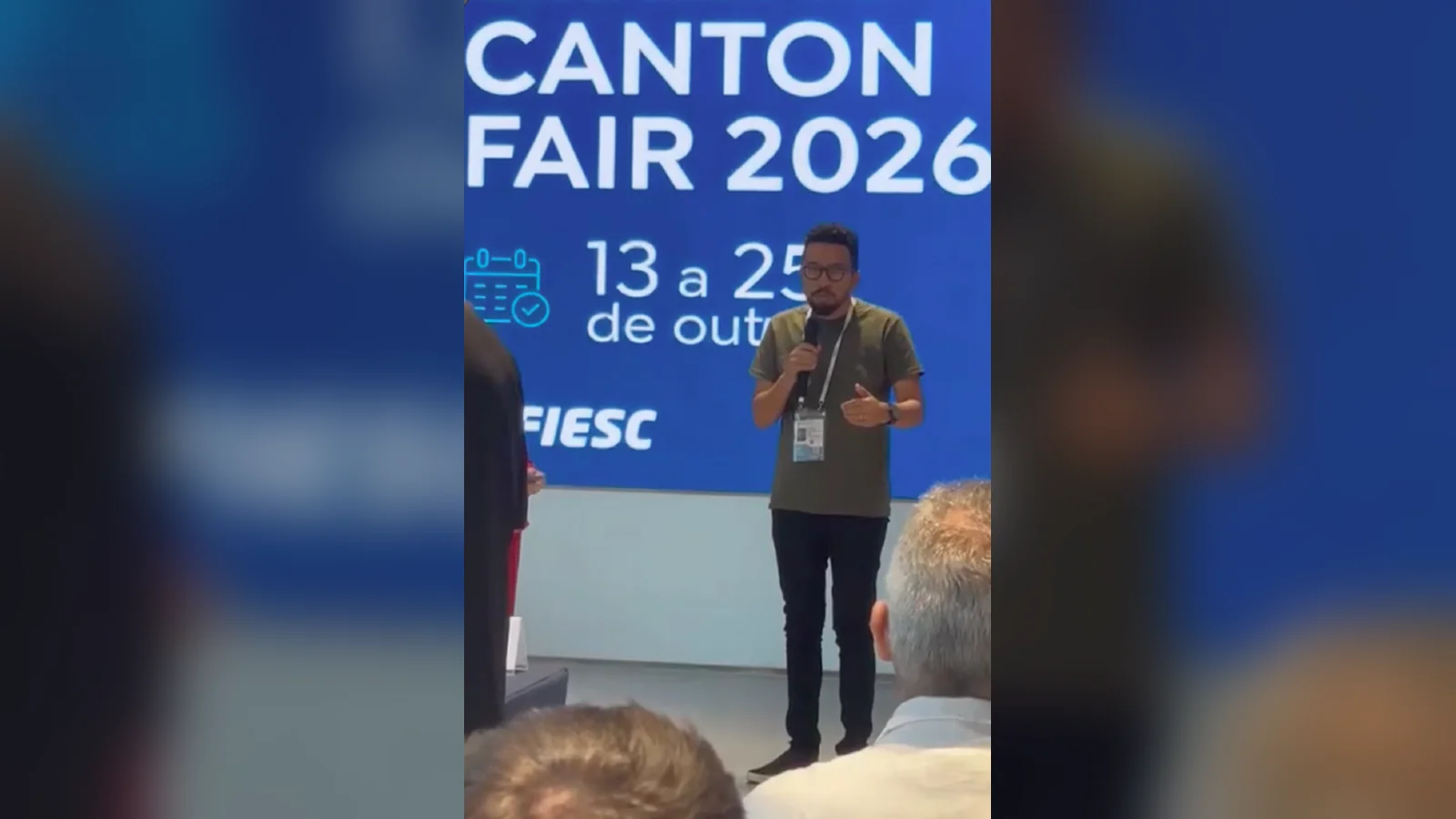
October 17, 2026
In China, president of ADR Sertão Central highlights Transnordestina, Quixeramobim Dry Port, and Export Processing Zone (ZPE) prospects
Read news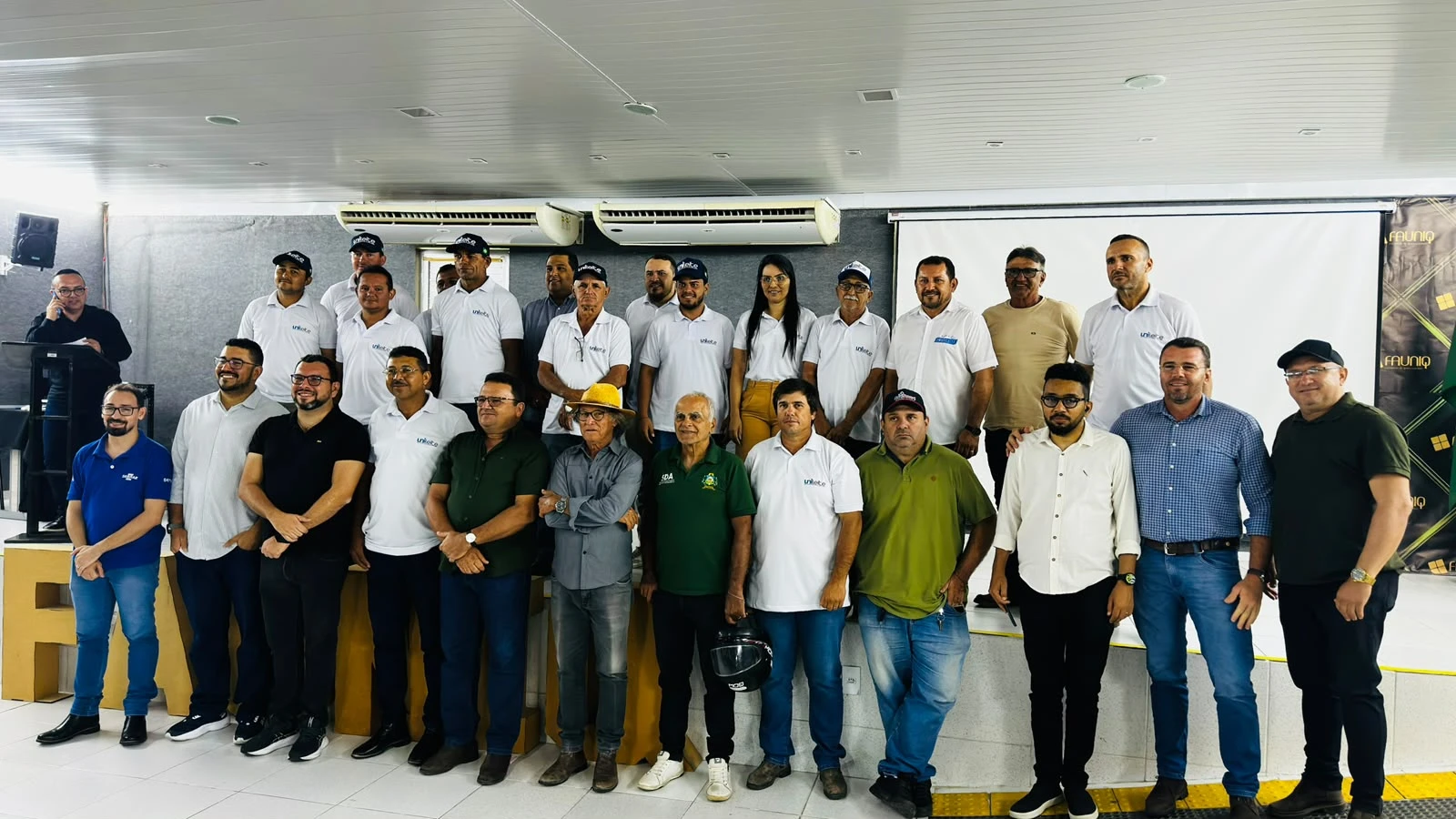
October 6, 2026
ADR Sertão Central, Unileite, and other institutions hold the 8th Copa Leite with expectations of generating over R$ 6 million
Read news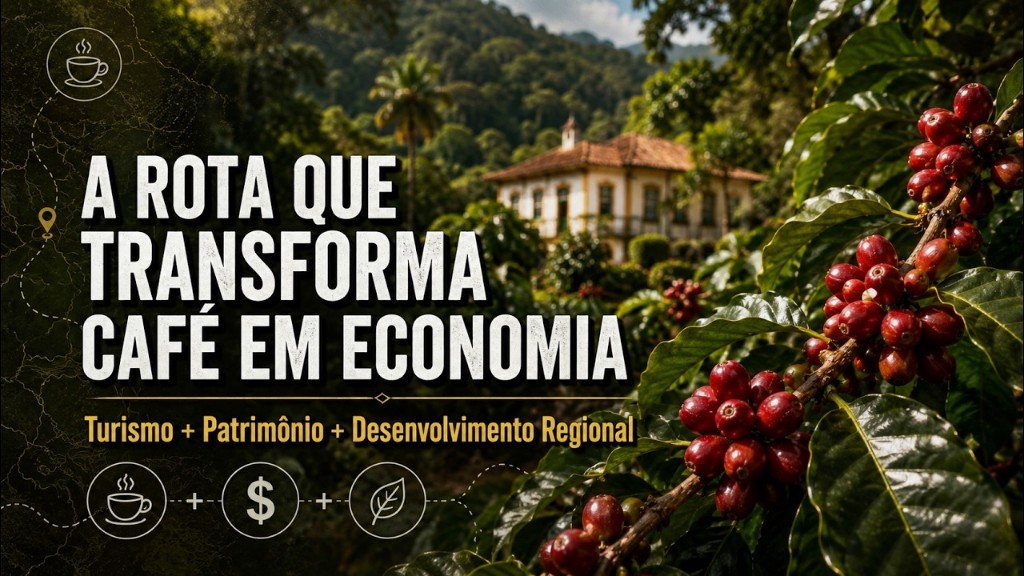
September 3, 2026
From the Sertão to the Mountains: ADR Sertão Central conducts technical mission through Maciço de Baturité and explores the Rota Verde do Café ecosystem
August 21, 2026
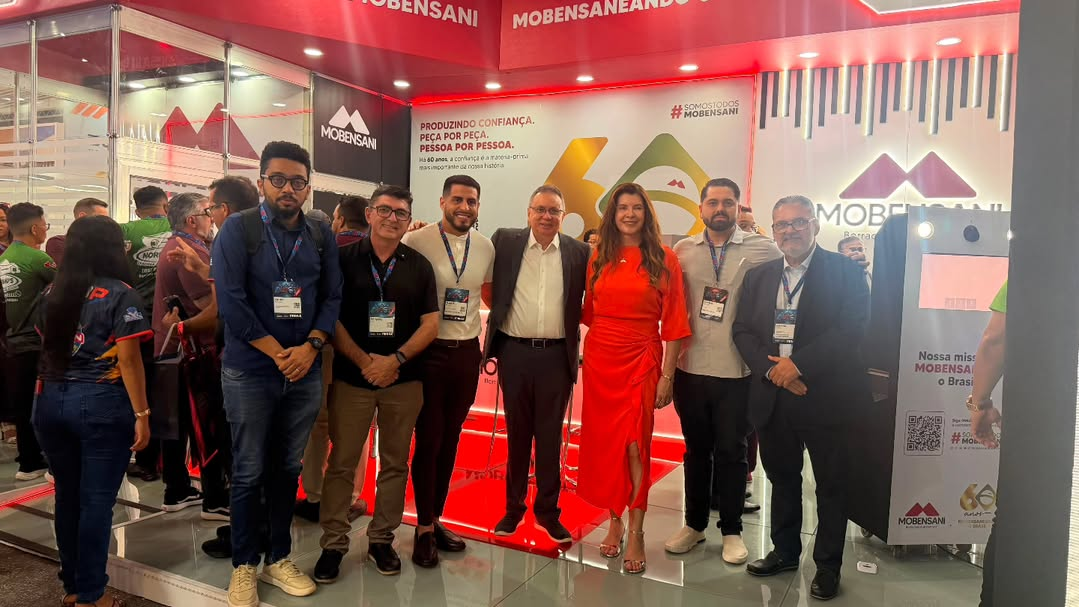
ADR Sertão Central participates in AUTOP 2026 and positions Quixeramobim as an attractive hub for automotive sector investments
August 17, 2026
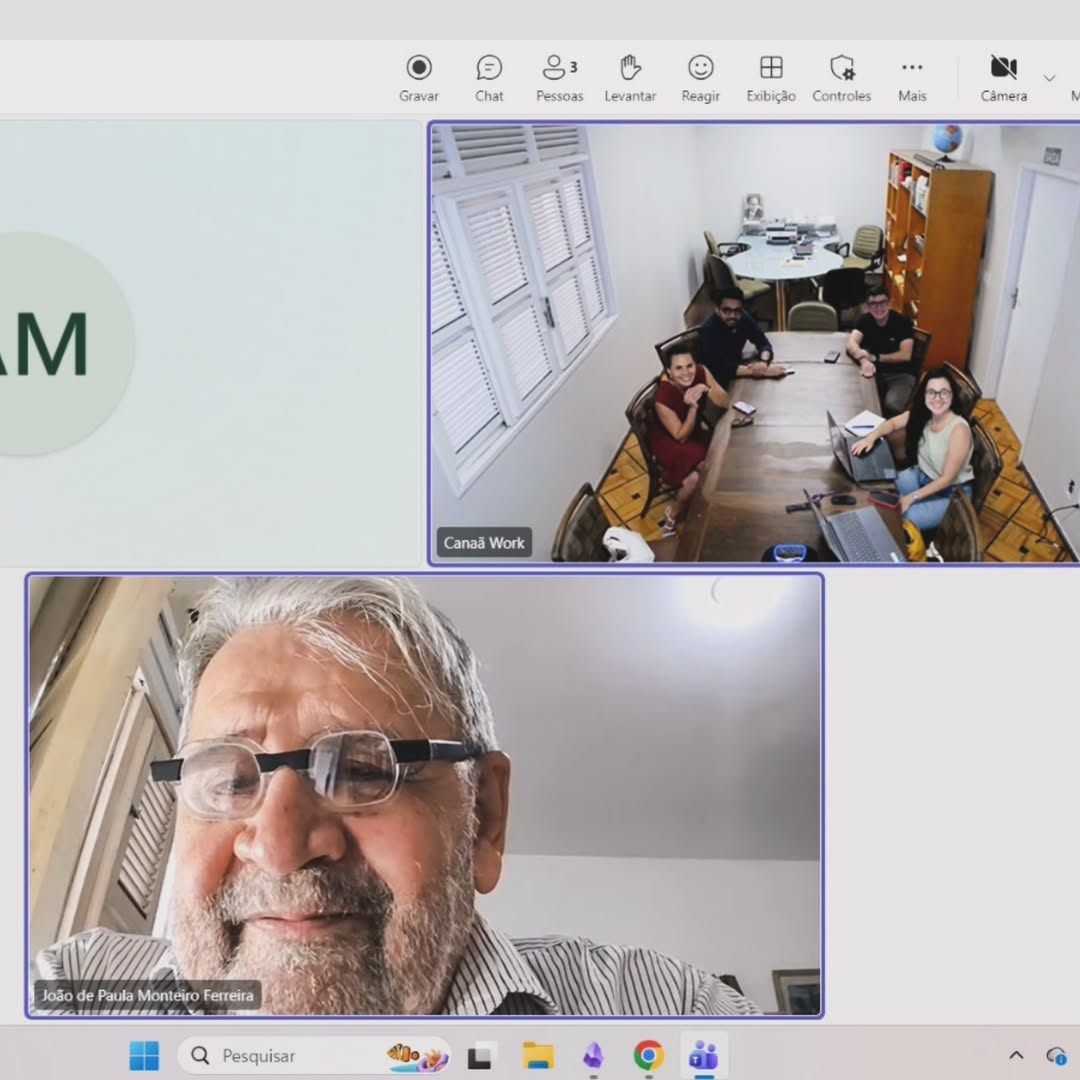
ADR Sertão Central meets with representatives of businessman Amarílio Macêdo to align the Regional Development Pact
Where we operate
Fronts guiding the regional agenda of ADR Sertão Central.

Where the sertão becomes a monument
The Açude do Cedro reservoir and the iconic Pedra da Galinha Choca, in Quixadá — imperial engineering and Quixadá Monoliths sculpted by time, symbols of Sertão Central.

One of the most relevant dairy basins in Sertão Central
Led by Quixeramobim — a state benchmark in milk production — the basin integrates Milhã, Senador Pompeu, Quixadá, Pedra Branca, and Solonópole, generating income, employment, and development across the entire region.

Waters sustaining the sertão
The Quixeramobim Dam is one of the city's main tourist attractions, representing the resilience and natural beauty of the sertão.

An ecosystem born in the sertão
In partnership with UFC, IFCE, and Sebrae, Estação Tecnológica de Quixadá consolidates the region as a startup and innovation hub in Ceará.

The sertão viewed from above
National capital of free flight: paragliding, hang gliding, and landscapes that reveal the grandeur of our territory.

Herds driving the economy
Goats, sheep, swine, poultry, and beef cattle: the livestock tradition of Sertão Central gaining scale, sanitary standards, genetics, and markets.

Faith, history, and identity
Cathedrals, religious festivals, and historical heritage: itineraries celebrating the soul and culture of the sertanejo people.

Talent trained within the territory
UECE, IFCE, UFC, FAUNIQ, and Unicatólica educating the next generation of programmers, engineers, and entrepreneurs of the sertão.

Memory on rails
The Quixeramobim Station and railway tourism rescuing history and attracting visitors to the heart of the sertão.

Pingo D'Água: irrigation transforming Vale do Forquilha
In Quixeramobim, Projeto Pingo D'Água supports family farming with shallow wells, efficient irrigation, and technical assistance — producing organic tomatoes, fruit, pulps, milk, and tilapia, and improving living conditions in rural communities.

O Alferes e a Bela
Monument to the Foundation of the City of Boa Viagem — bronze sculptures honouring the legend of the Ensign and the Fair Maiden, a landmark of municipal identity and memory.

High-performance internet for all
Agenda LIDER Target: 100% fiber optic coverage by 2033 — the connected sertão, from countryside to city.

Sítio Patu
Historical heritage of Senador Pompeu, Sítio Patu preserves the memory of the sertão in its century-old architecture, surrounded by typical caatinga vegetation.

The sertão on the global route
Multimodal Dry Port, Transnordestina Railway, and Export Processing Zone (ZPE): logistics infrastructure that puts Sertão Central on the international trade map.

Cachoeira do Inferno
In Pedra Branca, Cachoeira do Inferno surprises visitors with waters cascading through time-sculpted rocks — a natural refuge and ecotourism attraction in Sertão Central.

Capela de Nossa Senhora de Fátima
Built in 1935, it is the first chapel in Ceará dedicated to Our Lady of Fátima. At the top of Monte Castelo, it overlooks the city, the tower of Matriz de Bom Jesus Aparecido, and one of the most stunning sunsets in the backcountry.
Results that transform the region
Four tangible value vectors for Sertão Central.
Investments
Attraction and structuring of investments for the regional economy.
Job Creation
Qualified opportunities throughout the region.
Regional Competitiveness
Productivity and competitiveness of local productive arrangements.
Sustainable Development
Economic growth in harmony with the territory.
Connecting the Sertão
Regional integration and new opportunities arising from major logistics and economic projects in Sertão Central.
Learn about the programRegional seminars
Economic intelligence
Productive integration
Business generation
Road connectivity and regional integration of Sertão Central Cearense
Territorial visualization of the regional highway network, urban hubs, and main integration corridors of the Rede ADR Sertão Central, based on official SOP Ceará 2026 references.
Hover over the map to access indicators and municipal profiles.
Hover over a municipality or click to see details. Mesh source: IBGE.
14 municipalities coordinated for integrated regional development
Explore the interactive map and access territorial indicators, economic vocations, strategic infrastructure, and institutional information of the municipalities in Sertão Central of Ceará.
Totals calculated from the 14 municipalities, same source and same reference.
Sertão Central in figures
Synthesis of the region's demographic, productive, and structural assets.
Integrated territorial network with strong economic and institutional complementarity.
Important continuous territory of regional integration and development in Ceará.
Regional collaborative governance coordinated by the ADR Sertão Central Territorial Network.
One of the most relevant dairy basins in Ceará — a strategic agro-industrial base for the northeastern semiarid region.
approximately 1,2 thousand km between Eliseu Martins (PI) and the Port of Pecém (CE) (Agência Brasil via Diário de Pernambuco, 02/07/2026); tracks in Quixeramobim since 14/08/2026 (Diário do Nordeste).
Structuring asset for logistics, warehousing, and investment attraction.
High solar irradiation and regional infrastructure favorable to the expansion of photovoltaic generation.
UFC, IFCE, FECLESC, UniCatólica, FACISC/UECE, and regional expansion of inland higher education.
Totals calculated from the 14 municipalities (municipios_dados), same source and reference.
Loading landmarks…
Regional Centralities of Sertão Central
Each municipality performs complementary functions within the economic, logistical, water, and productive dynamics of the region.
Quixadá
Regional centrality for higher education (Unicatólica, UFC Quixadá, IFCE, FADAT), tourism, commerce, and specialized services.
Quixeramobim
Agro-industrial, logistical, and institutional centrality of Sertão Central.
Banabuiú and Choró
Strategic platforms for water security and water integration.
Senador Pompeu
Regional axis of economic integration and territorial mobility for southern Sertão Central.
Madalena
Regional benchmark in agroecology, family farming, and community organization.
Ibaretama
Highway gateway of Sertão Central on the strategic BR-122 corridor.
Itatira
Agricultural production, regional integration, and strategic territorial connectivity along the BR-020 axis.
Ibicuitinga
Mineral integration, rural production, and territorial connectivity with the Vale do Jaguaribe.
Infrastructure and Territorial Integration
Structural corridors connecting logistics, production, water security, and the regional economy.
BR-020
Logistics integration among Fortaleza, Sertão Central, Inhamuns, and Brasília.
BR-122
Main highway corridor connecting the coast, Sertão Central, and the deep interior.
Transnordestina railway
National logistics infrastructure with direct impact on regional competitiveness.
Multimodal Dry Port of Quixeramobim
Strategic vector for storage, distribution, and economic integration — consolidating environment.
Regional Dairy Corridor
One of the most relevant dairy clusters in Ceará, with strong agro-industrial integration.
Banabuiú Valley Water Corridor
Regional system structured by strategic reservoirs and water security.
Multimodal Integration Plan — Sertão Central 2026
Convergence among the regional highway axis (BR-020 / BR-122 / CE network), the Transnordestina Railway, and the logistics chain of Porto do Pecém — with the Quixeramobim Dry Port as an articulation vector consolidating.
Strategic vector
Quixeramobim Dry Port
Works started in Sep/2025; phase 1 with forecast date passed — awaiting confirmation. Potential environment for storage, distribution, and regional logistics convergence.
Rail integration
Transnordestina railway
National railway axis with prospects for productive integration and competitive connectivity for Sertão Central.
Port connectivity
Connection with the Port of Pecém
Outlook for integration among the regional territory, the port complex, and the export dynamics of Ceará.
Sources: SOP Ceará 2026, State Logistics Plan, IPECE. ADR institutional assessment — does not constitute an official operational schedule; milestones dated on the Dry Port timeline.
Regional Strategic Agenda
Institutional coordination, intermunicipal cooperation, and integration among entities supporting the regional agenda of the ADR Sertão Central Network.
Programa Conectando o Sertão
Regional coordination for economic and institutional integration of the territory.
Institutional Cooperation
Ongoing dialogue with governments, universities, and the productive sector.
Governance Networks
Collaborative governance among the 14 municipalities of the ADR Sertão Central Network.
Intermunicipal Coordination
Shared agenda between municipal governments, associations, and sectoral chambers.
Structural Partnerships
Agreements with state, federal, and private development institutions.
Regional Integration
Closer integration between Sertão Central, RMF, Cariri, Inhamuns, and Vale do Jaguaribe.
Institutional Note. Qualitative assessments built from official public data, territorial validation, and institutional curation. They do not constitute an official statistical index or specific sectoral diagnosis — they are intended to support governance and integrated regional development.


Building the future of Sertão Central together
Connect with ADR Sertão Central and the regional agenda of Sertão Central.
Contact ADR Sertão Central